
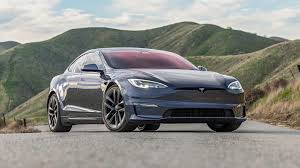
Finding clear and simple info about a Tesla Model S user review can feel like a puzzle for new folks. You might see lots of details, but piecing them together easily is the goal. Don’t worry, we’ll break it all down step by step.
This guide will make getting the facts about the Tesla Model S user review straightforward. We’ll start with the basics and build up from there, showing you exactly what you need to know next.
Key Takeaways
- You will learn what real owners say about their Tesla Model S.
- We will cover common likes and dislikes from Tesla Model S user reviews.
- You will get a clear picture of the car’s performance and range.
- We discuss the user experience with the technology and features.
- You will find out about reliability and ownership costs.
- This post helps you make an informed decision about the Model S.
Tesla Model S User Review Breakdown
When people look for a Tesla Model S user review, they want to hear from folks who actually drive the car every day. This isn’t about fancy marketing words; it’s about real experiences. Owners share the good, the not-so-good, and everything in between.
This section looks at the overall feeling people have after owning and driving a Model S. It’s like getting advice from a friend who’s been there. We’ll explore what makes this electric sedan a top choice for many and what areas could use improvement, all from the perspective of those who live with it.
Driving Experience and Performance
The driving feel of the Tesla Model S is often a highlight in user reviews. Many owners describe it as smooth, quiet, and incredibly quick. The instant torque from the electric motors provides exhilarating acceleration that can catch anyone by surprise.
This power makes merging onto highways and passing other vehicles feel effortless. Drivers often note the responsive steering and how well the car handles corners, giving a sense of control and connection to the road. The regenerative braking system also adds a unique driving dynamic, allowing for one-pedal driving in many situations, which users find both efficient and fun once they get used to it.
Acceleration Power
One of the most talked-about aspects of the Model S is its acceleration. Even the base models offer performance that rivals many sports cars. The Plaid version, in particular, is famous for its supercar-level acceleration, capable of reaching 0-60 mph in under two seconds.
Users frequently express amazement at this raw power, often calling it addictive. This speed isn’t just for show; it translates to a very dynamic driving experience, making everyday driving feel more exciting. For many, this level of performance is a major draw, distinguishing the Model S from other electric vehicles and even many gasoline-powered luxury cars.
Handling and Ride Comfort
The Tesla Model S generally offers a good balance between sporty handling and comfortable ride quality. While it feels planted and stable on the road, especially at higher speeds, the suspension is tuned to absorb bumps and road imperfections effectively. Some users mention that the ride can be a bit firm, particularly on larger wheels, but most find it comfortable for daily commutes and longer trips.
The low center of gravity, due to the battery pack being located in the floor, contributes significantly to its stable feel. This design choice enhances both safety and the driving dynamics, making it feel more like a sports sedan than a large electric car.
Regenerative Braking System
The regenerative braking in the Model S is a key feature that drivers either love or take a little time to adjust to. When you lift your foot off the accelerator, the car slows down as the electric motor acts as a generator, capturing energy and sending it back to the battery. This means you can often drive without touching the brake pedal for most situations, which many find convenient and efficient.
Some users initially find it a bit jerky, but most adapt quickly and come to appreciate the smooth, controlled deceleration it offers. It’s a core part of the “one-pedal driving” experience that Tesla pioneered and is often cited as a major benefit in urban driving.
Electric Range and Charging Experience
The practical side of owning an electric car often revolves around range and charging. Tesla has been a leader in this area, and user reviews often reflect this. The Model S is known for its impressive electric range, which alleviates range anxiety for most drivers.
Charging infrastructure, particularly Tesla’s Supercharger network, is frequently praised for its speed and widespread availability. However, experiences can vary, and some users report challenges or slower charging speeds than advertised under certain conditions. This section will explore how real owners rate the Model S’s ability to go the distance and how convenient it is to keep it powered up.
Real-World Range
One of the most scrutinized aspects of any electric vehicle is its real-world range. Tesla Model S owners report varying ranges, but generally, the car delivers on its promises. Factors like driving style, speed, weather conditions (especially cold temperatures), and terrain significantly impact how far the car can travel on a single charge.
While EPA estimates provide a benchmark, users often find their actual range is slightly lower in everyday use, especially in winter or when driving at sustained high speeds. However, for most daily commutes and even many longer road trips, the range is more than adequate, with many owners expressing satisfaction with how far they can go before needing to recharge.
For example, a user in a mild climate driving mostly in the city at moderate speeds might consistently achieve 350 miles or more on a full charge. In contrast, someone frequently driving on highways in freezing temperatures could see their effective range drop to closer to 250 miles. This variability is a common characteristic of all EVs, and Model S owners often learn to manage their driving habits and charging schedules to optimize their experience.
Understanding these nuances is key to managing expectations and fully appreciating the car’s capabilities.
Tesla Supercharger Network
The Tesla Supercharger network is a significant advantage for Model S owners. These fast-charging stations are strategically located along major routes, making long-distance travel much more feasible. Reviews of the Supercharger network are generally very positive, with owners praising its speed, reliability, and ease of use.
Simply plug in, and the car handles the payment and charging automatically. However, some users have reported instances of crowded stations during peak travel times or occasional malfunctioning chargers. Despite these occasional issues, the vastness and efficiency of the Supercharger network remain a major selling point for the Model S and other Tesla vehicles.
A typical Supercharger session can add several hundred miles of range in just 20-30 minutes, drastically reducing the downtime during road trips. This speed allows for a travel experience that is much closer to a traditional gas car refill than older EV charging experiences. The integrated navigation system in the Model S also seamlessly plans Supercharger stops, taking into account battery charge level and predicted energy consumption, which users find incredibly helpful for stress-free journeys.
Home Charging Solutions
While public charging is important, most EV owners rely heavily on home charging. The Tesla Model S can be charged at home using a standard wall outlet (Level 1), a 240-volt outlet (Level 2), or a Tesla Wall Connector. Level 2 charging, which requires professional installation, is the most practical for daily use, allowing owners to wake up to a fully charged car every morning.
Reviews of home charging are generally excellent, with users appreciating the convenience and cost savings compared to public charging. The ability to plug in overnight means range is rarely an issue for daily driving. The cost of electricity at home is typically much lower than public charging rates, making it the most economical way to power the car.
Interior Design and Technology
The interior of the Tesla Model S is known for its minimalist design and cutting-edge technology. A large central touchscreen controls most of the car’s functions, which some users find intuitive while others take time to get used to. The spacious cabin, lack of a traditional dashboard, and premium materials contribute to a modern and luxurious feel.
This section will look at what owners think of the interior aesthetics, the user interface of the technology, and the overall comfort and practicality of the cabin space.
Minimalist Dashboard and Infotainment Screen
The centerpiece of the Model S interior is its large, responsive touchscreen that dominates the dashboard. This screen acts as the command center for almost everything, from navigation and climate control to media and vehicle settings. Most users find the interface to be clean and logical once they’ve spent some time with it.
The graphics are sharp, and the system generally operates smoothly. However, some drivers miss physical buttons for common functions like climate control or audio volume. The steering yoke, introduced in newer models, has been a point of contention, with some loving its futuristic feel and others finding it less practical for everyday driving than a traditional steering wheel.
The infotainment system also includes features like built-in apps, internet browsing, and even video streaming when the car is parked. This integration of entertainment and information is a key part of the Tesla experience. Software updates that can be downloaded over the air regularly add new features and improve existing ones, keeping the car feeling fresh and modern over time.
This constant evolution of the software is something many owners appreciate, as it means their car can actually get better with age.
Comfort and Seating
Tesla Model S owners generally praise the comfort of the seats, especially for longer journeys. The front seats are often described as supportive and well-cushioned, providing a good driving position. Rear-seat passengers also have ample legroom and headroom, thanks to the car’s spacious design.
The panoramic glass roof adds to the airy feel of the cabin. Some users note that the seats could offer more bolstering for aggressive driving, but for typical use, they are considered very comfortable. The cabin is also exceptionally quiet, further enhancing the sense of comfort and luxury.
The climate control system is also highly effective, quickly heating or cooling the cabin. Features like heated and ventilated front seats, and a heated steering wheel (where applicable), add to the overall comfort, especially in colder climates. The materials used throughout the cabin are typically high-quality, contributing to a premium feel that matches the car’s price point.
Many owners express satisfaction with the build quality and the materials chosen for the interior.
Premium Sound System
The audio system in the Tesla Model S is often highlighted as a premium feature. Many users report that the sound quality is excellent, offering clear highs, rich mids, and deep bass. The system is designed to complement the quiet interior, providing an immersive listening experience.
Whether listening to music, podcasts, or audiobooks, drivers and passengers often find the sound to be crisp and well-balanced. For audiophiles, the stock system is frequently considered more than adequate, providing a high-quality experience right out of the box.
Reliability and Maintenance
When considering any vehicle, reliability and the cost of maintenance are crucial factors. For electric cars, these aspects can differ significantly from traditional gasoline vehicles. Tesla Model S user reviews often touch upon the car’s build quality, any common issues owners face, and the expected costs of keeping the car in good working order.
This section will explore the long-term ownership experience, including any required repairs and general maintenance needs.
Build Quality and Common Issues
Build quality in Teslas has been a topic of discussion for years. While Tesla has made strides, some owners still report minor issues such as panel gaps, trim alignment problems, or occasional electronic glitches. These are often minor and don’t affect the car’s driving performance.
More significant mechanical issues are less common, but like any complex vehicle, problems can arise. Common recurring issues mentioned in reviews sometimes include problems with door handles, suspension components, or the infotainment screen becoming unresponsive. However, many owners report having trouble-free experiences with their Model S, suggesting that build quality can vary from vehicle to vehicle.
It’s important to note that Tesla’s service centers are the primary point of contact for repairs. While many owners have positive experiences with service, others report long wait times or challenges in getting appointments. The mobile service option, where technicians come to your home or office, has been well-received by many users, offering a convenient solution for simpler repairs and maintenance tasks.
Maintenance Costs
One of the main advantages of owning an electric car like the Model S is the significantly lower maintenance cost compared to a gasoline-powered vehicle. There are no oil changes, transmission fluid flushes, or exhaust system repairs to worry about. The main maintenance items typically involve tire rotations, brake fluid checks, and cabin air filter
A typical annual maintenance bill for a Tesla Model S might include a tire rotation and a cabin air filter change, costing a few hundred dollars. Compare this to a gasoline car of similar luxury, where annual maintenance could easily run into a thousand dollars or more, including oil changes, filter replacements, and potential tune-ups. This cost saving is a significant factor for many people deciding to go electric.
Software Updates and Their Impact
Tesla’s approach to software updates is a unique aspect of ownership. Over-the-air (OTA) updates can improve performance, add new features, and fix bugs without the need to visit a service center. These updates are a constant source of excitement for owners, as their car can genuinely get better over time.
Reviews often mention new capabilities added via software, such as improved Autopilot features, new entertainment options, or enhanced battery management. This continuous improvement means the ownership experience can evolve, keeping the car feeling modern and cutting-edge.
For instance, a software update might introduce a new “chill” mode for smoother acceleration, an improved navigation system that better predicts charging needs, or even new video games accessible through the touchscreen. This ability to remotely enhance the vehicle’s functionality is a key differentiator for Tesla and is frequently cited as a major benefit in owner reviews.
Pros and Cons from Owner Reviews
Synthesizing numerous Tesla Model S user reviews reveals consistent themes regarding what owners love and what frustrates them. Understanding these common likes and dislikes is crucial for anyone considering this electric luxury sedan. This section distills those sentiments into clear pros and cons, offering a balanced perspective based on real-world ownership experiences.
Key Advantages
- Performance: Blistering acceleration and engaging driving dynamics are consistently praised.
- Range: Excellent electric range eases range anxiety for daily use and longer trips.
- Technology: Advanced infotainment, Autopilot features, and OTA updates keep the car modern.
- Charging Network: Access to Tesla’s vast and reliable Supercharger network is a major plus.
- Minimalist Interior: The clean, modern design appeals to many owners.
- Lower Running Costs: Reduced maintenance and fuel expenses compared to gasoline cars.
These advantages combine to create a driving experience that many owners find superior to traditional luxury vehicles. The blend of cutting-edge technology, exhilarating performance, and the practical benefits of electric propulsion makes the Model S a compelling choice for many.
Common Criticisms
- Build Quality Inconsistencies: Some owners report issues with panel gaps or interior trim.
- Reliance on Touchscreen: Lack of physical buttons for essential functions can be a learning curve.
- Ride Firmness: Some find the suspension a bit stiff, especially on larger wheel options.
- Service Experience: Occasional reports of long wait times or challenges with Tesla service centers.
- Steering Yoke (Newer Models): The unconventional steering wheel design can be divisive.
- Winter Range Reduction: Cold weather significantly impacts battery performance and range.
While these criticisms are valid for some owners, they don’t negate the overall positive sentiment for many. The pros often outweigh the cons for those who value performance, technology, and the electric driving experience.
User Scenarios and Testimonials
Hearing about the Tesla Model S from the perspective of actual owners provides valuable insight. These real-life stories illustrate how the car fits into different lifestyles and how its features perform under various conditions. We’ll look at a couple of typical scenarios to show how the Model S is used day-to-day and on special occasions.
Scenario 1 Daily Commute and Family Use
Imagine Sarah, a marketing manager, who drives her Model S to work each day, a commute of about 40 miles round trip. She leaves her car plugged into her home’s Level 2 charger overnight, so it’s always at 100% by morning. During her commute, she enjoys the quiet ride and uses Autopilot on the highway stretches to reduce fatigue.
On weekends, she uses the ample cargo space (both front and rear trunk) to ferry her kids to sports practice or pick up groceries. The spacious rear seat ensures her children are comfortable. She rarely uses public chargers during the week, only needing to visit a Supercharger perhaps once every month or two for a quick top-up during a longer errand.
For Sarah, the Model S is a practical, high-tech, and enjoyable daily driver that perfectly balances her professional and family needs.
Scenario 2 Long-Distance Road Trips
Consider Mark, an avid traveler who uses his Model S for cross-country road trips. Before a long journey, he uses the car’s navigation system to plan his route, which automatically includes Supercharger stops based on battery level and estimated charging times. He finds the Supercharger network reliable and fast, often allowing him to recharge enough for several hundred miles in the time it takes to grab a meal and stretch his legs.
He appreciates the car’s Autopilot features on long highway drives, which help him stay alert and reduce driving fatigue. The smooth ride and quiet cabin make hours behind the wheel comfortable. Mark’s experience shows that with proper planning, the Model S is an excellent vehicle for extensive travel, offering a blend of comfort, range, and convenience that few other electric cars can match.
Testimonial Highlight
One owner, David, shared his experience: “I was hesitant about going all-electric, but the Model S has completely changed my mind. The performance is incredible, and the technology feels like living in the future. My ‘range anxiety’ vanished after the first week.
The Supercharger network made my recent trip from New York to Florida a breeze. While I’ve had a minor glitch with a door handle, Tesla’s mobile service fixed it quickly at my home. It’s more than just a car; it’s an experience.”
Common Myths Debunked
Myth 1 The Range Is Unreliable in Cold Weather
While it’s true that cold weather can temporarily reduce an electric vehicle’s range, the Tesla Model S is designed to manage this. Battery preconditioning, where the car heats the battery to an optimal temperature before driving, helps mitigate range loss. Most owners find that while range is lower in winter, it’s still sufficient for daily commutes, especially with home charging.
Advanced battery management systems and smart charging help maintain performance.
Myth 2 Electric Cars Are Expensive to Repair
For the Tesla Model S, this is largely untrue. Electric cars have far fewer moving parts than gasoline cars. There are no oil changes, exhaust systems, or complex transmissions to maintain.
While some electronic components or battery issues can be costly if they occur out of warranty, routine maintenance is significantly cheaper. Tire wear is also often reduced due to the smooth acceleration and braking of EVs.
Myth 3 Tesla’s Touchscreen Controls Are Too Complicated
The large touchscreen in the Model S controls most functions, which can be a learning curve. However, Tesla’s interface is generally considered intuitive and user-friendly once you become accustomed to it. Frequent software updates often improve the usability and add new features.
Many users find that after a short period, they can operate most functions without taking their eyes off the road, especially with voice commands.
Myth 4 You Need To Install Expensive Charging Equipment at Home
While a Level 2 home charger (like the Tesla Wall Connector) offers the fastest and most convenient home charging, it’s not strictly necessary. You can charge a Model S using a standard 120-volt outlet (Level 1), which is available in most homes. This will charge the car slower, typically adding about 2-4 miles of range per hour, but it’s enough to replenish daily commute needs overnight.
Many owners start with Level 1 and upgrade later if needed.
Frequently Asked Questions
Question: How does the Tesla Model S compare to other luxury EVs
Answer: The Model S often stands out for its performance, range, and access to the Supercharger network. Competitors like the Porsche Taycan offer more engaging driving dynamics and build quality, while the Lucid Air aims for superior range and luxury. However, the Model S provides a well-rounded package with a strong focus on technology and advanced driver-assistance features.
Question: What is the typical lifespan of a Tesla Model S battery
Answer: Tesla batteries are designed to last a very long time. While they do degrade slowly over many years, most Model S batteries are expected to retain a significant portion of their capacity for well over 150,000 to 200,000 miles. Tesla offers a battery warranty that typically covers 8 years or 100,000-150,000 miles, whichever comes first, guaranteeing a certain percentage of original capacity.
Question: How does Autopilot in the Model S work
Answer: Autopilot is an advanced driver-assistance system that uses cameras, sensors, and software to help steer, accelerate, and brake the car. It can keep the car centered in its lane, maintain speed relative to traffic, and perform automatic lane changes. It requires driver supervision at all times, and users must remain attentive and ready to take control.
Question: Are Tesla Model S cars safe
Answer: Yes, the Tesla Model S consistently receives top safety ratings from organizations like the National Highway Traffic Safety Administration (NHTSA) and the Insurance Institute for Highway Safety (IIHS). Its structural design, combined with advanced safety features and driver-assistance systems, contributes to its excellent safety record.
Question: How much does a Tesla Model S typically cost to insure
Answer: Insurance costs for a Tesla Model S can vary widely depending on factors like your location, driving history, chosen coverage levels, and insurance provider. However, due to the car’s high purchase price and advanced technology, insurance for a Model S can be higher than for many comparable gasoline luxury cars. It’s always recommended to get quotes from multiple insurance companies.
Final Thoughts
Owners consistently praise the Tesla Model S for its thrilling performance, impressive electric range, and cutting-edge technology. You’ve learned about the driving feel, charging convenience, and interior experience. Understanding both the advantages and the few drawbacks helps paint a clear picture.
This information empowers you to see if the Model S fits your needs.