
It can feel a bit tricky when you’re new to using a device like the Omnipod 5, and you want to know what other people think. Searching for omnipod 5 user reviews can bring up a lot of information, and it might seem overwhelming at first. Don’t worry, we’ll break it all down in a super easy way.
This post will help you understand what real users are saying, so you can feel confident. Let’s look at the helpful things people share and what makes them important.
Key Takeaways
- You will learn what actual Omnipod 5 users are saying about their experiences.
- This post helps you understand the good and not-so-good points from real-life use.
- We will explain common themes found in Omnipod 5 user reviews.
- You’ll find out how these reviews can help you make informed decisions.
- We provide clear answers to questions you might have about the Omnipod 5.
What People Say About Omnipod 5 User Reviews
When people are looking for information about a medical device like the Omnipod 5, they often turn to the experiences of others. User reviews are like getting advice from friends who have already used the product. This is especially true for managing a condition like diabetes, where daily life is affected.
People want to know how a system performs in real situations, not just what the manual says. This desire for practical, honest feedback makes searching for omnipod 5 user reviews a common starting point for many.
The challenge for beginners is sorting through all the different opinions. Some reviews might focus on one aspect, like battery life, while others talk about comfort or how easy it is to use. It can be hard to see the big picture when you’re just starting out.
Our goal here is to make that easier. We will go through the common points people bring up so you can get a clear idea of what to expect.
Understanding The Omnipod 5 System
The Omnipod 5 is a modern insulin delivery system. It’s a wearable device that delivers insulin continuously. It works with a smartphone or a dedicated controller.
The system aims to help people with diabetes manage their blood sugar levels more effectively. It uses an algorithm to automatically adjust insulin doses. This is a big step from older methods that required more manual input.
The idea is to provide a smarter, more automated way to handle insulin therapy.
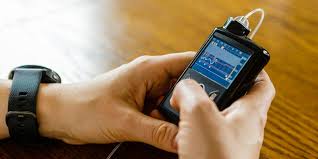
This system has two main parts: the Pod and the Personal Diabetes Manager (PDM). The Pod is the part you wear on your body. It holds the insulin and has a cannula that goes under the skin to deliver it.
The PDM is like the control center. You use it to set up the Pod, enter information, and communicate with the system. It’s a wireless connection that allows the PDM to tell the Pod when and how much insulin to give.
The advanced feature of the Omnipod 5 is its automated insulin delivery. It uses a special algorithm. This algorithm takes into account your glucose readings from a continuous glucose monitor (CGM).
It also looks at your activity levels and other factors. Based on this data, it can increase or decrease insulin delivery. This can help prevent highs and lows in blood sugar.
It’s designed to be a more “closed-loop” system, meaning it can make decisions on its own to keep glucose in a target range.
Why User Reviews Matter For The Omnipod 5
User reviews offer insights that official product descriptions often miss. They talk about everyday use. This includes how the Pod feels when worn, how long it stays attached, and any skin irritation experienced.
These are practical details that can significantly impact a person’s daily life and comfort. Someone might love the technology, but if the Pod is uncomfortable, it’s a big downside for them. Reviews share these personal, real-world experiences.
Another important aspect users discuss is the reliability of the system. Does it work as expected every time? Are there unexpected alarms or disconnections?
These are critical questions for anyone relying on an insulin pump. Reviews can highlight patterns of issues or confirm that the device is dependable. They also cover the learning curve.
How easy is it for someone new to diabetes technology or pump therapy to start using the Omnipod 5? Reviews often share tips and tricks learned through trial and error.
Furthermore, user feedback often touches upon customer support. If a problem arises, how helpful and responsive is the company? Positive or negative experiences with support can strongly influence a user’s overall satisfaction with the product.
People share how quickly issues were resolved and if they felt heard and helped. This information is invaluable for potential users trying to gauge the entire user experience, from purchase to ongoing support.
Common Themes in Omnipod 5 User Feedback
When you read through numerous omnipod 5 user reviews, certain topics come up again and again. One of the most frequently discussed areas is the effectiveness of the automated insulin delivery (AID) system. Many users report positive results, noting that it helps them achieve better time-in-range for their glucose levels.
They often praise how the system automatically adjusts insulin to prevent highs after meals or during periods of less activity. This automation reduces the mental load of constant glucose monitoring and manual adjustments.
However, some users also mention challenges with the AID. This can include instances where the algorithm might be too aggressive or not aggressive enough for their individual needs. Fine-tuning the system settings, such as target glucose levels and correction factors, is often highlighted as a key factor for success.
People share their strategies for working with the algorithm, sometimes involving trial and error to find the optimal personalized settings. The importance of working closely with a healthcare provider to calibrate these settings is also a recurring point.
Comfort and wearability are also major themes. The Omnipod 5 is a tubeless system, which many users find more convenient and discreet than traditional pumps with tubing. Reviews often praise the adhesive, discussing how well it stays on during everyday activities, exercise, and even swimming.
Some users, however, might have sensitivities to the adhesive or find the Pod’s size or placement to be an issue. Sharing personal tips on skin preparation or alternative placement sites are common ways users help each other in reviews.
Ease of Use and Technology Integration
The user interface of the Omnipod 5, particularly through its Personal Diabetes Manager (PDM) and the accompanying mobile app, is another frequent topic. Many find the interface intuitive and user-friendly, especially those who are already comfortable with smartphone technology. The ability to manage settings, view glucose trends, and receive alerts all in one place is highly appreciated.
The setup process, while sometimes requiring careful attention, is often described as manageable with clear instructions.
The integration with continuous glucose monitors (CGMs) is a standout feature for many. Reviews often highlight the seamless connection between the Omnipod 5 and popular CGM brands. This integration is what powers the automated insulin delivery.
Users value the real-time data sharing and how it contributes to a more proactive diabetes management approach. The ability to see both insulin delivery data and glucose trends side-by-side provides a comprehensive view for users and their healthcare teams.
On the other hand, some users might encounter occasional connectivity issues between the PDM, CGM, and Pod. These are usually minor glitches that are resolved with troubleshooting steps. The reliance on technology also means that issues like software updates or device compatibility can be a concern for some.
Reviews sometimes offer advice on how to handle these technological aspects, ensuring a smoother experience with the device.
Practical Aspects Discussed in User Reviews
Beyond the technology itself, users often share practical tips related to the day-to-day management of the Omnipod 5. This includes advice on Pod site rotation, which is crucial for skin health and insulin absorption. They discuss how they choose Pod sites, considering factors like comfort, discretion, and the ability to adhere well for the duration of the Pod’s wear time.
Many share creative solutions for managing Pod changes and ensuring the adhesive holds up during different activities.
Battery life for the PDM is another practical point. While the Pod itself doesn’t have a battery, the PDM needs to be charged regularly. Users often comment on how often they need to charge the PDM and what their charging routines are.
This helps new users anticipate their own charging needs and plan accordingly. Some may suggest keeping a portable charger handy, especially when traveling or spending long days away from home.
Another practical aspect that gets attention is the cost and insurance coverage. While not directly about the device’s function, these are significant considerations for anyone adopting the Omnipod 5. Reviews might share experiences with different insurance providers, tips for appealing denied claims, or insights into out-of-pocket costs.
This information can be incredibly helpful for individuals trying to budget for their diabetes management supplies.
Cost and Insurance Considerations
The financial aspect of using an insulin pump system like the Omnipod 5 is a major concern for many. User reviews often touch upon the expense and how individuals navigate insurance coverage. Many patients report that while the technology is advanced, the cost can be a barrier.
They may share their journey in getting approval from their insurance companies, which can sometimes be a lengthy and complicated process.
Some reviews provide detailed accounts of their success or struggles with different insurance plans. They might mention specific codes or documentation that was helpful in securing coverage. Others discuss the savings programs or discount options that the manufacturer offers.
These firsthand accounts are invaluable for individuals trying to understand their potential out-of-pocket expenses and how to approach their insurance providers. It highlights that the Omnipod 5 user reviews often extend beyond the device’s performance to its accessibility.
There’s a clear theme that working closely with a healthcare team, including a diabetes educator or a billing specialist, can significantly improve the chances of securing adequate insurance coverage. Users often express gratitude for the support they received from their healthcare providers in this area. This underscores that the Omnipod 5 user reviews offer a comprehensive picture, including the practical financial hurdles.
Troubleshooting Common Issues
Even with advanced technology, users sometimes encounter minor issues. Reviews often serve as a community resource for troubleshooting. Common problems include Pod adhesion issues, where the Pod might start to peel off prematurely.
Users share their tried-and-true methods for reinforcing the adhesive, such as using medical tape or specialized adhesive sprays. They also advise on proper skin preparation before applying the Pod, like cleaning and drying the area thoroughly.
Another frequent topic is related to the PDM or the communication between the PDM and the Pod. Sometimes, a “Pod communication error” might occur. Reviews often suggest simple fixes like ensuring the PDM is close to the Pod, restarting the PDM, or checking for any physical obstructions.
Users also discuss the importance of keeping the PDM software updated, as updates can often resolve minor bugs and improve performance.
Some users might experience alarms or alerts from the system. Reviews can help decipher what these alarms mean and what actions to take. For instance, a high glucose alarm might prompt a user to check their infusion site or administer a correction dose.
Reading about others’ experiences with alarms can provide reassurance and practical advice on how to respond effectively. This shared knowledge base within omnipod 5 user reviews is a significant benefit for new and experienced users alike.
Pod Adhesion and Skin Care Tips
Pod adhesion is a critical aspect of the Omnipod 5 experience, and users share many creative solutions. Many reviews emphasize the importance of preparing the skin properly before application. This often includes washing the site with soap and water, ensuring it’s completely dry, and avoiding lotions or oils that could interfere with the adhesive.
Some users also recommend gently abrading the skin surface with a fine-grit sandpaper or an adhesive wipe to create a better surface for the Pod to stick to.
For those who still experience issues with adhesion, especially in humid conditions or during strenuous activity, users often suggest reinforcing the Pod with medical tape. Brands like Tegaderm or Rocktape are frequently mentioned. They advise applying the tape around the edges of the Pod to provide extra security.
Some users also use barrier wipes or sprays before applying the Pod, which can create a protective layer and improve adhesion. These tips are often shared with great detail and often include pictures in online forums.
Skin irritation is another concern that users address. Reviews often suggest rotating Pod sites regularly, typically every 2-3 days, to prevent continuous pressure on one area and allow the skin to heal. They also recommend using barrier creams or wipes to protect the skin from the adhesive and insulin.
If redness or irritation occurs, users share remedies like cool compresses or mild topical creams, emphasizing the importance of listening to one’s body and seeking medical advice if needed.
Comparing Omnipod 5 to Other Systems
When users share their experiences, they often compare the Omnipod 5 to other insulin delivery methods they have used. This includes traditional insulin pumps with tubing and even multiple daily injections (MDI). A common point of comparison is the freedom from tubing.
Many users who switch from tubed pumps to the Omnipod 5 highlight the convenience of being tubeless. They appreciate not having to worry about snagging tubing on doors or clothing, or the general feeling of being less encumbered during daily activities and sleep.
The automated insulin delivery (AID) feature is another major differentiator. While some traditional pumps also offer AID features, the Omnipod 5’s integration is often praised for its simplicity. Users find the algorithm to be effective in managing glucose levels, especially for those who struggle with tight glycemic control.
The way it works with a CGM to predict and prevent highs and lows is a significant advantage for many, as it reduces the constant need for manual adjustments.
However, not all comparisons are overwhelmingly positive. Some users might miss features found in other systems, such as specific data logging capabilities or advanced customizability options that are available on other pumps. The Pod’s wear time of three days is also a point of comparison; while convenient for many, some users might prefer pumps that allow for longer wear times before a change is needed.
The integrated nature of the Omnipod 5 PDM versus the use of separate devices for other pump systems is also a consideration.
Omnipod 5 vs. Traditional Tubed Pumps
The primary distinction between the Omnipod 5 and traditional tubed insulin pumps is the absence of tubing. This difference significantly impacts user experience. Traditional pumps require a separate infusion set that is inserted into the body and connected to the pump via a tube.
This tubing can get caught, kinked, or disconnected, leading to interruptions in insulin delivery and potential hyperglycemia. Users often report a sense of liberation when switching to the tubeless Omnipod 5, as these issues are eliminated.
Another key difference lies in the Pod itself. The Omnipod 5 is a single-use device that is worn on the body for three days. When it’s time for a change, the old Pod is removed, and a new one is applied.
This contrasts with tubed pumps, where the infusion set needs to be changed every 2-3 days, but the pump itself is reused. Some users find the Pod system simpler, as it’s a complete unit that’s discarded. Others might prefer the ability to keep a more expensive pump reservoir and just change the infusion set.
The user interface and control method also vary. While many tubed pumps use a dedicated handheld controller or a smartphone app, the Omnipod 5 uses its Personal Diabetes Manager (PDM) or a compatible smartphone. The integration of the CGM data directly into the Omnipod 5’s algorithm for automated insulin delivery is a strong point for many, offering a more closed-loop experience than some older tubed pump systems provided.
Omnipod 5 vs. Multiple Daily Injections (MDI)
The transition from Multiple Daily Injections (MDI) to the Omnipod 5 represents a significant shift in diabetes management. MDI involves using syringes or insulin pens to inject rapid-acting and long-acting insulin multiple times a day. This requires users to be very aware of their meal times, activity levels, and blood glucose readings to administer appropriate doses manually.
It demands constant attention and calculation for each injection.
The Omnipod 5, by contrast, automates a large portion of this process. The basal insulin delivery is managed continuously by the Pod, and the automated insulin delivery system can make adjustments based on CGM data. This significantly reduces the burden of frequent injections and manual calculations.
Many users who switch from MDI report a noticeable improvement in their glycemic control and a reduction in the mental load associated with diabetes management. They appreciate the “set it and forget it” nature for basal insulin, with manual boluses still required for meals.
However, the Omnipod 5 is a more complex and costly intervention than MDI. Users moving from MDI need to consider the expense of the device, the consumables, and the learning curve associated with pump therapy and CGM integration. For some, MDI might still be a preferred or necessary option due to cost constraints, personal preference, or specific medical reasons.
Reviews often highlight the significant lifestyle changes and improved freedom that pump therapy, like the Omnipod 5, can offer compared to the more manual approach of MDI.
Common Myths Debunked
Myth 1: The Omnipod 5 is too complicated for beginners.
Reality: While the Omnipod 5 is an advanced device, many users find it surprisingly easy to learn. The Personal Diabetes Manager (PDM) has a user-friendly interface, and there are many resources available to help new users get started. Manufacturers often provide training, and online communities offer peer support.
The automated insulin delivery system is designed to simplify management, reducing the need for constant manual adjustments. With proper guidance and practice, beginners can become proficient users.
Myth 2: You’ll never need to check your blood sugar again with the Omnipod 5.
Reality: The Omnipod 5 works best when paired with a continuous glucose monitor (CGM), but it does not eliminate the need for blood glucose monitoring entirely. You will still need to perform occasional fingerstick checks to calibrate your CGM and to confirm readings, especially if you experience symptoms of high or low blood sugar or when making treatment decisions. The system relies on accurate glucose data to function optimally, and occasional checks ensure this accuracy.
Myth 3: Omnipod 5 user reviews are always positive.
Reality: User reviews reflect a wide range of experiences. While many users report significant benefits and satisfaction with the Omnipod 5, it’s natural for some to encounter challenges or have less than ideal experiences. These can stem from individual physiology, technology glitches, or issues with insurance coverage.
Reading a variety of reviews, both positive and constructive, provides a more balanced and realistic perspective.
Myth 4: The Omnipod 5 automatically delivers all your insulin.
Reality: The Omnipod 5 features automated insulin delivery for basal rates and corrections. However, it still requires user input for mealtime boluses. You will need to tell the system how many carbohydrates you are eating so it can deliver the appropriate mealtime insulin dose.
While the system intelligently adjusts basal and corrects high glucose levels, it does not entirely replace the user’s role in managing food intake and its insulin needs.
Frequently Asked Questions
Question: How long does an Omnipod 5 Pod last?
Answer: An Omnipod 5 Pod is designed to be worn for up to 72 hours, or three days. After this time, you will need to remove the old Pod and apply a new one.
Question: Can I swim or shower with the Omnipod 5?
Answer: Yes, the Omnipod 5 Pod is waterproof and can be worn while swimming, showering, or bathing. It is designed to stay attached securely even when exposed to water.
Question: What is the Personal Diabetes Manager (PDM)?
Answer: The PDM is a handheld device that controls the Omnipod 5 system. You use it to set up the Pod, enter your glucose data, and manage your insulin delivery. It also displays your glucose readings and other important information.
Question: Do I need a separate continuous glucose monitor (CGM) for the Omnipod 5?
Answer: Yes, the Omnipod 5 system is designed to work with a compatible continuous glucose monitor (CGM). The CGM provides the glucose readings that the Omnipod 5’s algorithm uses to automatically adjust insulin delivery.
Question: How do I find Omnipod 5 user reviews?
Answer: You can find omnipod 5 user reviews on diabetes patient forums, social media groups dedicated to diabetes technology, personal blogs, and in online communities where people share their experiences with medical devices.
Summary
Exploring omnipod 5 user reviews gives you a real look at how this device works for people. You’ve seen what users say about its automated features, comfort, and ease of use. You’ve also learned about the practical side, like cost and how to handle common issues.
Use this information to make informed choices about your diabetes care.